
TLC Police
The acronym is universally understood...but this is different.

Of the myriad acronyms out there, many have alternate meanings depending on industry, culture, slang, geography, and other facets.
If I mentioned “TLC Police” to anyone, a logical perception would be that it stood for tender, loving, and caring cops.
Technically, that would be appropriate in the context of many episodes performed by law enforcement officers in scenarios having little to nothing to do with crime and malicious people victimizing others.
Then again…
New York City, mind-numbingly replete with gobs of government agencies often overlapping one another, has an entity known as the Taxi and Limousine Commission with an enforcement division, aka TLC Police.
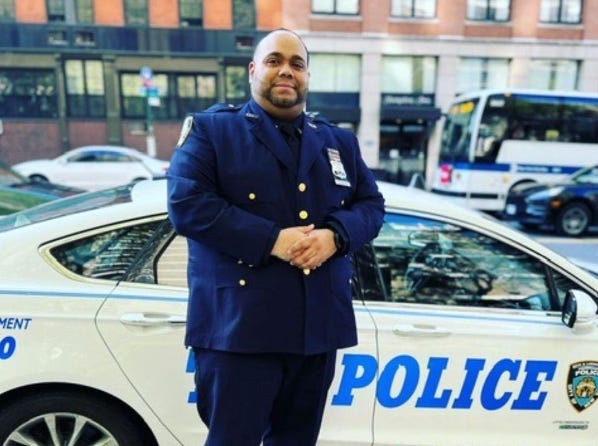
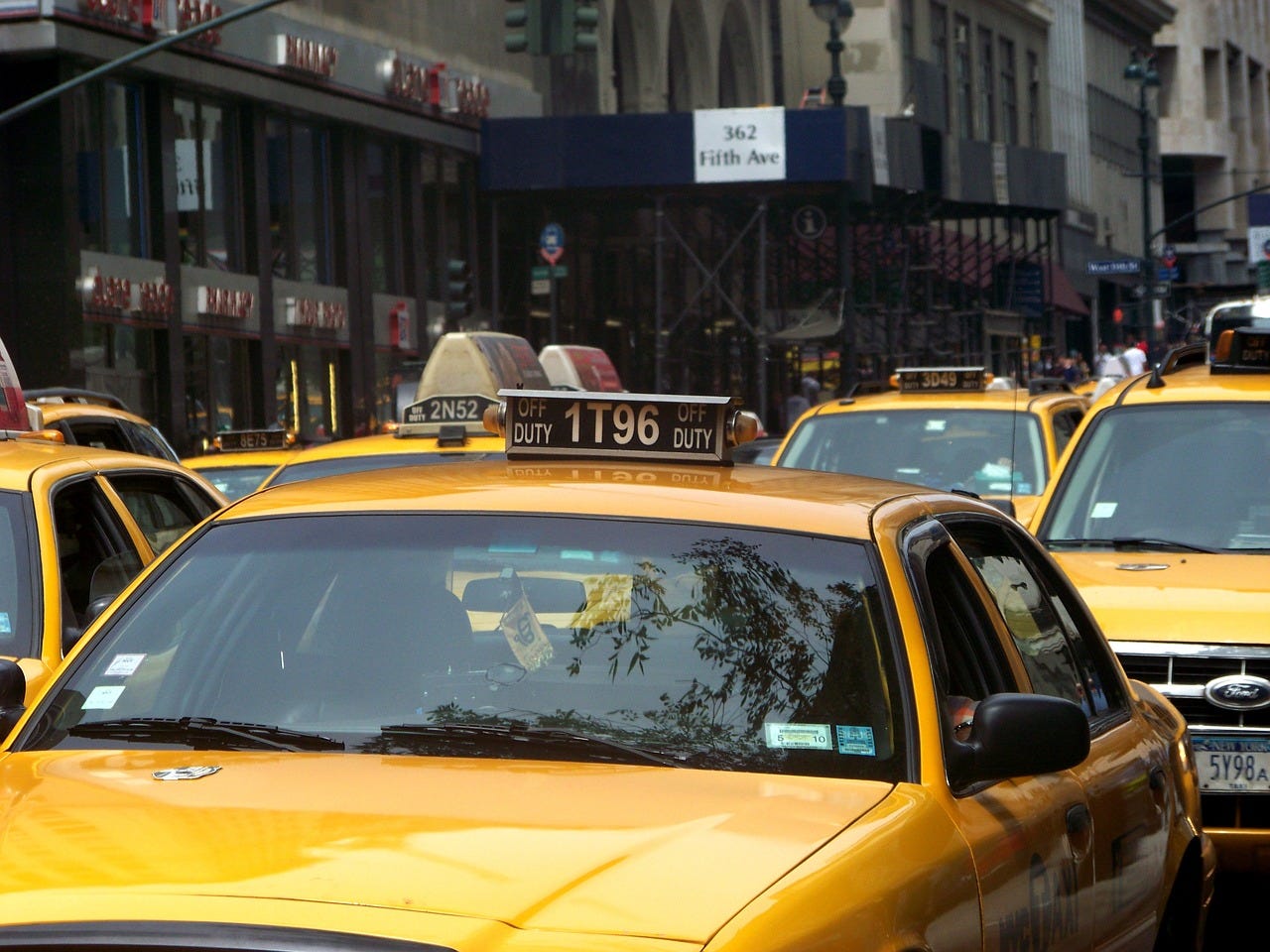
Despite their patrol cruisers and uniformed personnel appearing remarkably similar to those driven/worn by the NYPD, TLC Police officers are considered special peace officers relegated to the safety and transportation aspects of the major municipality’s clog of yellow cabs and private for-hire limousines that traverse the streets and bridges throughout the five boroughs (counties) comprising the Big Apple.
Whereas the NYPD is classically known as “New York’s Finest,” the TLC Police credo is “New York’s Proudest.”
“The Enforcement Division of the Uniformed Services Bureau (USB) is a specialized law enforcement Division comprised of Peace Officers who are designated as NYS[-certified] Special Patrolmen.”
Given the gargantuan governance over Gotham, it is hardly jarring that the metropolis has more rules enforced by regulatory agencies than beaches have sand granules. But, hey…the “city that never sleeps” means there is always someone on duty to enforce stipulations and ensure above-board operations serving almost nine million inhabitants, with the residential populace bloated by tons of tourists from around the globe.
“Currently, the Enforcement Division of the USB has about 240 field officers and supervisors covering a twenty-four-hour workday, seven days a week. Officers perform on-street enforcement of TLC-licensed drivers and vehicles as well as unlicensed for-hire operators who pose a serious threat to public safety. In addition to its on-street enforcement role, the division also ensures compliance [with] applicable TLC rules by taxi garages, FHV bases, taximeter shops, and driver education schools,” their website explained.
Licensure
Not only does anyone operating a motor vehicle of any kind require a state-issued driver license but limo and taxi drivers (cabbies) need a TLC certification to legally transport citizens within the city limits, namely Manhattan where most of the bustle is.
Per TLC Police administrators, “The effective regulation of the for-hire industry requires [a] many-faceted approach. First and foremost, Enforcement must provide for the public safety and security for the for-hire riding public.
“To be effective, enforcement must recognize and adapt to the changing patterns of unlicensed for-hire activity that negatively impact the legitimate industry and the many communities in which they operate.
“These patterns become visible in Enforcement statistics but are also apparent in interactions with industry stakeholders, businesses, law enforcement partners including the New York City Police Department (NYPD) and the Port Authority Police Department (PAPD) and the City's elected representatives. TLC Enforcement is a partner in the Mayor's Vison Zero.”
Having been born and raised in New York City, I never observed a TLC cop in any of the five boroughs. Moreover, the large number of NYPD officers are ubiquitous and academy-trained to deal with any issues related to the operators in the taxi and limousine demographic.
Like I said above, it is not at all shocking that NYC government has overlap. Not necessarily a bad thing…except when it comes down to tax dollars to afford it all.
Another informative paragraph on the TLC Police website conveys an arbitrary mood (see italicized text below) about what this special agency does:
“The Enforcement Division brings as much formal and informal information together as possible and the business units that make up the USB collaboratively work together to address the predominate issues that are identified. Our actual focus is dependent upon resources available and the degree of importance to the overall goal of a safe for-hire riding public. Every member of the Enforcement Division is committed to providing the most effective enforcement possible [emphasis added].”
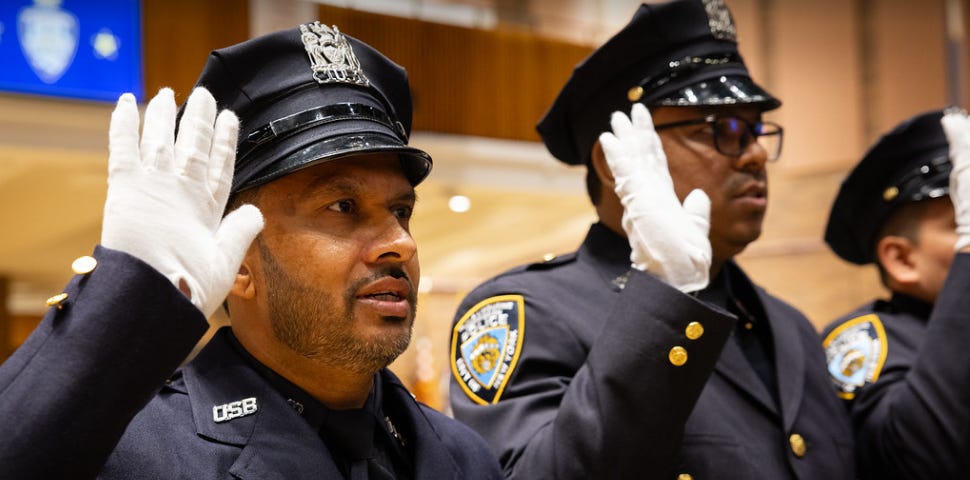
In October 2024, the TLC Police executives announced that half of their most recent police academy graduates formerly operated as taxi drivers, giving them an endowment of Ps and Qs to look for and enforce when out on patrol.
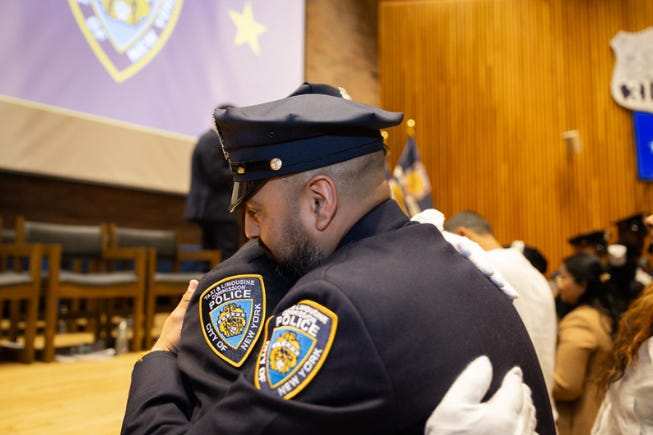
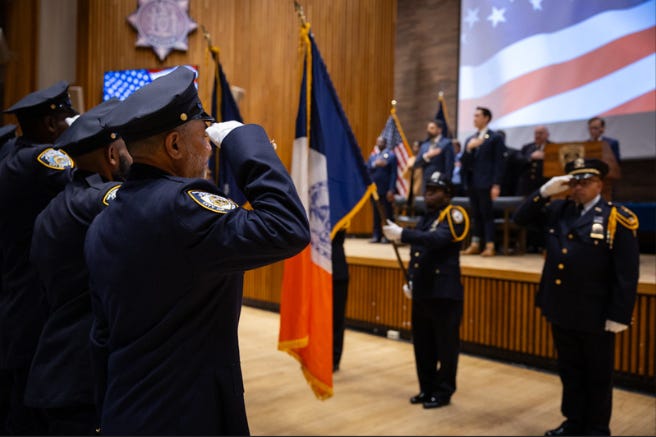
“The New York City Taxi and Limousine Commission (TLC) today held a graduation ceremony for its latest class of Police Cadets – a diverse group of New Yorkers who speak a multitude of languages and includes a high percentage of former TLC licensees. They will join TLC’s Enforcement Unit, a specialized division of TLC’s Uniformed Services Bureau (USB) dedicated to deterring illegal vehicle operation and enforcing TLC, City, and State rules,” a TLC press release explained.
TLC’s presser added: “More than half of the class knows what it’s like to be regulated by TLC. Nine of the 16 officers have driven TLC vehicles in the past, including taxis and rideshares. Their knowledge of NYC’s streets, TLC rules, and ways that illegal drivers steal trips from licensed ones and jeopardize public safety should prove highly valuable."
“All TLC Cadets completed a rigorous, 22-week training program that included tactical, fitness, and customer service training, with a mission that is focused on public safety. Two major areas of emphasis for TLC Police are Vision Zero and illegal for-hire activity, and these officers are now experts in safe performance of car stops involving aggressive drivers, have expertise defusing conflicts, defense tactics, and the intricacies of TLC rules and City and State laws.”
In any event, the Big Apple has plenty of rotten resources navigating the streets, so a specialized enforcement branch may ideally regulate the for-hire transport industry and ensure those behind the wheel are vetted accordingly.